Prepaid vs Postpaid Plans in Singapore: Real User Reviews and Experiences

Sarah Mitchell
11 March 2026
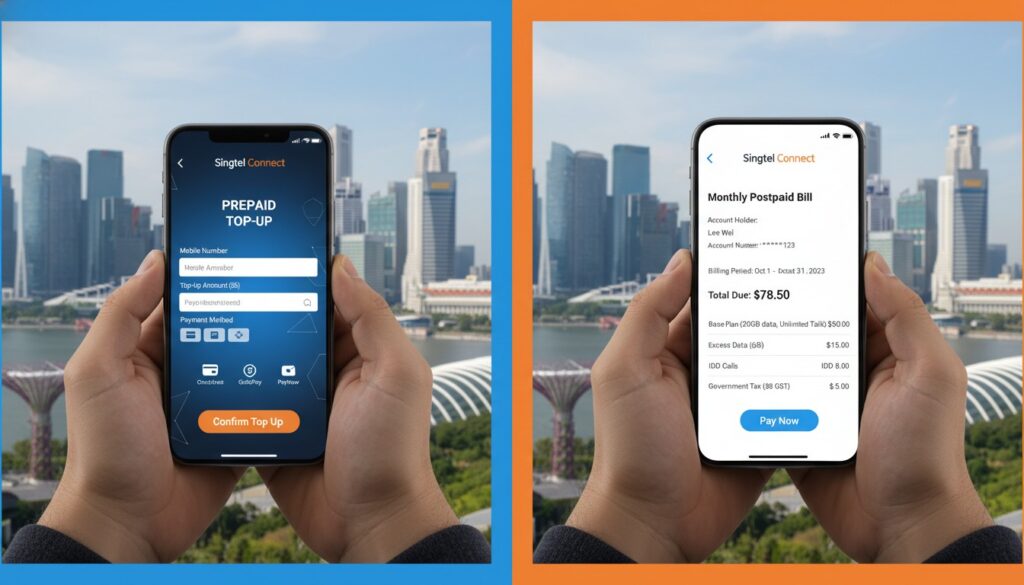
Prepaid vs Postpaid Plans in Singapore: Real User Reviews and Experiences
Introduction
Choosing between prepaid and postpaid mobile plans in Singapore can feel overwhelming with so many options available. Whether you’re a new resident, student, or long-time local looking to switch carriers, understanding the real-world experiences of other users can make all the difference. In this comprehensive guide, we’ll dive deep into honest reviews and experiences from Singapore residents who have navigated both prepaid and postpaid options across major telcos like Singtel, StarHub, and M1.
From budget considerations to network coverage, billing flexibility to data allowances, we’ll explore what matters most when making this crucial decision. Let’s uncover the truth behind the marketing promises and discover which option truly delivers the best value for your specific needs.
Understanding the Basics: Prepaid vs Postpaid
What Are Prepaid Plans?
Prepaid plans require you to pay upfront for your mobile services before using them. Think of it like topping up your EZ-Link card – you load credits and use them until they’re depleted.
Key characteristics of prepaid plans:
- No monthly contracts or commitments
- Pay-as-you-go flexibility
- No credit checks required
- Limited to the amount you’ve topped up
- Usually no bundled device offers
- Fixed monthly fees with set allowances
- Contract commitments (typically 12-24 months)
- Credit checks required
- Often include device subsidies
- Additional charges for exceeding limits
- Plan: M1 PrepaidPlus with $25 monthly top-up
- Usage: Moderate data user (8-10GB monthly)
- Pros: No commitment stress, easy to pause when traveling
- Cons: More expensive per GB compared to postpaid
- Plan: Singtel hi!Card with $15 weekly top-ups
- Usage: Heavy social media, moderate calling
- Pros: Budget control, no credit check needed
- Cons: Sometimes runs out of data mid-week
- Plan: StarHub PrepaidPlus with variable monthly spending ($20-40)
- Usage: Heavy data for client communications
- Pros: Matches irregular freelance income
- Cons: Need to monitor usage constantly
- Plan: Singtel Combo 3 ($68/month)
- Usage: Heavy business calls, moderate data
- Pros: Consistent service, device upgrades, international roaming
- Cons: Paying for unused allowances some months
- Plan: M1 Family Plan ($180/month for 4 lines)
- Usage: Mixed usage across family members
- Pros: Shared data pool, consistent connectivity
- Cons: Higher overall cost, contract commitment
- Plan: StarHub 5G Unlimited ($88/month)
- Usage: Extremely heavy data user (50GB+ monthly)
- Pros: Unlimited data, priority network access
- Cons: Expensive for light users
- Average spend: $15-25/month
- Best for: Students, seniors, occasional users
- “I spend about $20 monthly and always have leftover data” – Linda, Age 67
- Average spend: $25-35/month
- Best for: Working professionals with WiFi access
- “My $30 monthly top-up covers everything I need” – Ahmad, Age 31
- Average spend: $40-60/month
- Best for: Content creators, remote workers
- “I end up spending almost as much as postpaid users” – Jenny, Age 26
- Range: $25-40/month
- Includes: 3-8GB data, unlimited local calls
- User feedback: “Perfect for basic needs but limited data”
- Range: $50-70/month
- Includes: 15-25GB data, international minutes
- User feedback: “Sweet spot for most working adults”
- Range: $80-120/month
- Includes: Unlimited or high data caps, premium perks
- User feedback: “Worth it for heavy business use”
- “My prepaid M1 connection is just as fast as my colleague’s postpaid plan” – Alex, Software Developer
- “No noticeable difference in call quality or data speeds” – Priya, Teacher
- Some users report slower customer service for prepaid issues
- Limited access to 5G networks on basic prepaid plans
- Fewer roaming options compared to postpaid
- Priority network access during peak hours
- Better international roaming rates and coverage
- 5G access included in most modern plans
- Faster customer support resolution times
- “I physically cannot overspend – when credit runs out, service stops” – Student user
- No bill shock surprises
- Easy to pause or reduce spending
- Switch carriers anytime without penalties
- Perfect for short-term residents
- Ideal during career transitions
- Automatic monthly billing
- No need to monitor credit levels
- Consistent service availability
- Subsidized smartphone upgrades
- Bundled services (streaming, cloud storage)
- Family plan sharing options
- Have irregular income or tight budget constraints
- Value complete spending control over convenience
- Don’t want long-term commitments
- Use less than 10GB data monthly
- Are a short-term resident or frequent traveler
- Have good WiFi access at home and work
- Have stable monthly income and prefer predictable bills
- Need consistent, uninterrupted service for business
- Want device upgrade programs and bundled services
- Use heavy data (15GB+ monthly) regularly
- Need international roaming frequently
- Prefer premium customer support and network priority
- Forgetting to top up before important events
- Not monitoring usage leading to service interruption
- Choosing wrong top-up amounts for your usage pattern
- Ignoring validity periods causing credit expiration
- Choosing oversized plans and paying for unused allowances
- Ignoring contract terms and early termination fees
- Not monitoring usage leading to excess charges
- Auto-upgrading without reviewing actual needs
- More flexible hybrid options combining prepaid control with postpaid convenience
- Better family sharing plans across different billing methods
- Improved digital management tools for both prepaid and postpaid
- More transparent pricing without hidden fees
- Enhanced 5G access regardless of billing method
What Are postpaid Plans?
Postpaid plans work on a monthly billing cycle where you use services first and pay later. You receive a bill at the end of each month detailing your usage.
Key characteristics of postpaid plans:
Real User Experiences: Prepaid Plans in Singapore
Sarah Chen, Marketing Executive, Age 28
“I switched to M1’s prepaid plan two years ago when I was between jobs. The flexibility was exactly what I needed during uncertain times.”
Sarah’s Experience:
“The best part is controlling my spending. I never get bill shock, and during months when I’m traveling for work, I can reduce my top-up amount.”
David Lim, University Student, Age 21
“As a student on a tight budget, prepaid gives me complete control over my mobile expenses.”
David’s Experience:
“I love that I can adjust my spending based on my monthly allowance from parents. During exam periods, I top up less since I’m studying more and scrolling less.”
Maria Santos, Freelance Designer, Age 35
“Prepaid suits my irregular income perfectly. Some months I earn more, some less, and my phone plan can adapt accordingly.”
Maria’s Experience:
Real User Experiences: Postpaid Plans in Singapore
James Wong, Finance Manager, Age 42
“I’ve been on Singtel postpaid for 8 years. The convenience and bundled benefits make it worthwhile despite the higher cost.”
James’s Experience:
“The peace of mind is worth it. I never worry about running out of credit during important business calls, and the international roaming rates are reasonable for my frequent trips.”
Rachel Tan, Working Mother, Age 38
“Managing a family of four on postpaid plans gives us predictable monthly expenses and ensures the kids never lose connectivity.”
Rachel’s Experience:
“The shared data feature is brilliant. When my teenage daughter uses up her allocation, she can draw from the family pool without service interruption.”
Kevin Ng, Tech Startup Founder, Age 29
“I need reliable, unlimited connectivity for my business. Postpaid gives me that assurance, even if it costs more.”
Kevin’s Experience:
Cost Analysis: What Users Actually Pay
Prepaid Cost Breakdown
Based on user interviews, here’s what Singapore residents typically spend on prepaid plans:
Light Users (1-3GB monthly):
Moderate Users (5-10GB monthly):
Heavy Users (15GB+ monthly):
Postpaid Cost Analysis
Postpaid users report more predictable but generally higher costs:
Entry-Level Plans:
Mid-Tier Plans:
Premium Plans:
Network Coverage and Performance: User Reports
Prepaid Network Experience
Contrary to common misconceptions, users report minimal difference in network quality between prepaid and postpaid services from the same carrier.
Positive Feedback:
Areas of Concern:
Postpaid Network Advantages
Postpaid users consistently mention these network-related benefits:
“During CNY when networks are congested, my postpaid connection seems more stable than my friend’s prepaid” – Michelle, Marketing Director
Flexibility and Convenience: The Real Difference
Prepaid Flexibility Wins
Users consistently praise prepaid plans for:
Budget Control:
No Commitment Stress:
Postpaid Convenience Advantages
Postpaid users value:
Set-and-Forget Convenience:
Device and Service Bundles:
Making the Right Choice: Expert Recommendations
Choose Prepaid If You:
Choose Postpaid If You:
Common Mistakes to Avoid
Prepaid Pitfalls
Postpaid Traps
Future Trends: What Users Expect
Based on user feedback and industry trends, Singapore mobile users increasingly want:
Conclusion
After analyzing dozens of real user experiences across Singapore’s mobile landscape, the choice between prepaid and postpaid isn’t about which is universally better – it’s about matching your plan type to your lifestyle and financial preferences.
Prepaid plans excel for users who prioritize budget control, flexibility, and freedom from commitments. They’re particularly valuable for students, freelancers, and anyone with variable income or usage patterns.
Postpaid plans shine for users who value convenience, consistent service, and premium features. They’re ideal for business users, families, and heavy data consumers who prefer predictable monthly expenses.
The key insight from user reviews is that both options can provide excellent value when chosen thoughtfully. Consider your usage patterns, financial situation, and lifestyle preferences rather than assuming one type is inherently superior.
Ready to Choose Your Perfect Plan?
Now that you’ve heard from real Singapore users about their prepaid and postpaid experiences, it’s time to make an informed decision. Start by tracking your current usage for one month – note your data consumption, calling patterns, and spending comfort level.
Next, compare specific plans from Singtel, StarHub, and M1 that match your identified needs. Don’t forget to factor in any current promotions or bundle deals that might tip the scales.
Have you decided between prepaid and postpaid? Share your own experiences or questions in the comments below – your insights could help other Singapore residents make better mobile plan decisions. And if you found this guide helpful, consider sharing it with friends who might be facing the same choice.
Remember: The best mobile plan is the one that fits your unique needs and budget, not necessarily the one with the flashiest advertising or lowest headline price.